Ballerina Tutu Applique Review
As an embroidery designer who regularly explores new Creative Fabrica embroidery designs for both personal and commercial projects, I recently came across the Ballerina Tutu Applique. This design caught my eye with its delicate charm and potential for a variety of handmade products. In this review, I’ll walk through my experience using it in real-world scenarios to help fellow crafters and small business owners decide if this machine embroidery design is worth adding to their collection.
First Impressions: A Dance of Delicate Details
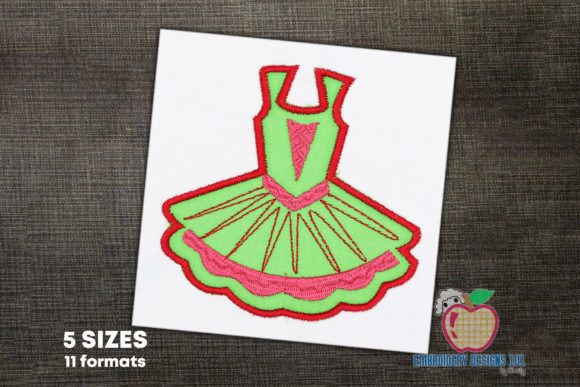
The Ballerina Tutu Applique immediately struck me with its visual appeal. The intricate patterns and soft curves evoke the elegance of ballet, making it ideal for those who appreciate the Dance theme in their creative work. The applique design features a combination of satin stitch, fill stitch, and running stitch elements that give it a layered, dimensional look. It’s not overly complex, which makes it accessible for both beginners and seasoned embroiderers looking for something visually engaging without being too technical.
I was particularly impressed by how well the design translates onto different fabrics. The embroidery file seems to be designed with versatility in mind, as it can adapt to a wide range of materials—perfect for custom apparel, tote bag design, or even kitchen towels.
Real-World Application: What Works and What to Watch For
Before committing to using the Ballerina Tutu Applique on a client order, I tested it on several fabric types and project formats. Here are some key observations:
- Tote Bags & Sweatshirts: The design looks stunning on cotton and canvas, especially when paired with a light-colored background. However, on darker fabrics, I noticed that the thread colors need to be carefully chosen to ensure visibility. Using white or pastel shades on dark fabric worked best, but I recommend testing with scrap fabric first.
- Baby Items & Nursery Decor: The softness of the Ballerina Tutu Applique makes it a great fit for baby blankets or pillow covers. Its whimsical nature adds a touch of fun without being overwhelming.
- Patches & Caps: When applied to caps or embroidered patches, the design holds up well, though I had to use a firm stabilizer to prevent distortion on curved surfaces. Small details like the tutu ruffles remained crisp after stitching.
- Commercial Embroidery: For larger-scale production, the stitch density is manageable, but I advise checking the hoop size and ensuring that the embroidery file is compatible with your machine. If you're planning frequent washing, consider using a washable stabilizer and double-checking the durability of the design on stretchy fabrics.
Design Value and Brand Appeal
Using the Ballerina Tutu Applique in handmade products can elevate the overall presentation. Whether it's a personalized gift or a boutique item, the design brings a sense of quality and attention to detail that customers notice. It also helps maintain brand consistency, especially if you’re selling digital embroidery files or creating printable mockups for Etsy listings.
For handmade product sellers, this design can be a unique selling point. It adds visual appeal and helps differentiate your items from generic offerings. I found that incorporating the Ballerina Tutu Applique into a sweatshirt embroidery or embroidered patch increased customer engagement, as buyers appreciated the thoughtful design choices.
Practical Embroidery Notes for Success
To ensure the best results when working with the Ballerina Tutu Applique, here are a few practical tips:
- Test on Scrap Fabric: Always test the design on a sample before applying it to your final product. This allows you to check thread color contrast, stitch density, and how the design interacts with the fabric texture.
- Check File Details: Make sure to review the embroidery file specifications on the Creative Fabrica product page. Confirm the hoop size, stitch count, and licensing terms before using it for commercial purposes.
- Use Proper Stabilizer: Especially important for stretchy or textured fabrics, a good stabilizer will help maintain the integrity of the design after washing.
- Inspect Small Details: After stitching, take a close look at the applique design to ensure all tiny elements are visible and well-defined.
- Compare Light and Dark Mockups: If you plan to sell the design as a digital embroidery file, create mockups on both light and dark backgrounds to show potential users how it will look in different contexts.
The Ballerina Tutu Applique is a versatile and charming addition to any embroidery designer’s toolkit. Whether you're crafting handmade gifts, designing custom apparel, or building a portfolio of design assets, this design has the potential to enhance your work while appealing to a wide audience. As always, thorough testing and attention to detail will ensure the best outcome for your finished product.