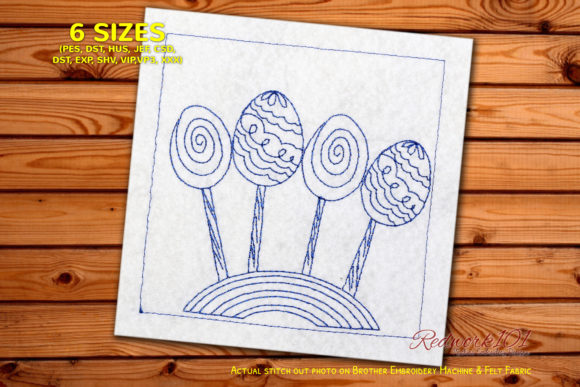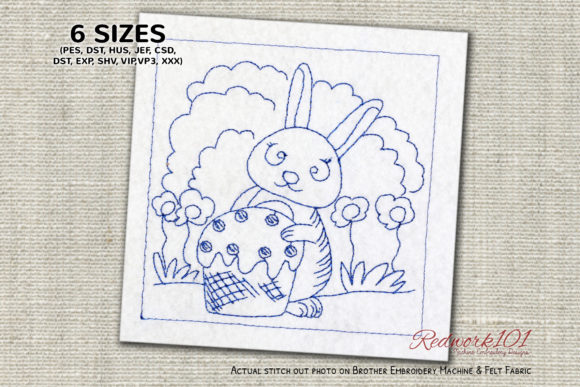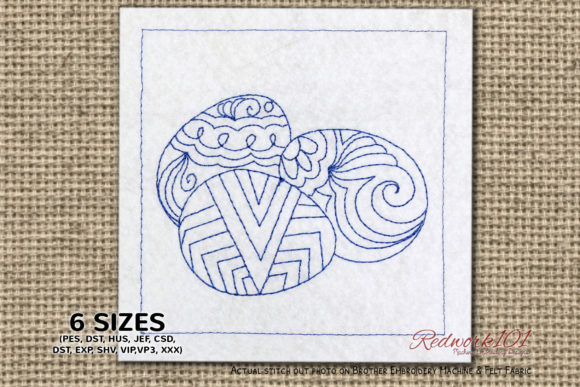
Easter Day Mandala Bluework Review
I have spent years reviewing embroidery files for everything from high-volume commercial runs to delicate boutique items. When I first opened the file for Easter Day Mandala Bluework, my immediate reaction was one of curiosity mixed with practical skepticism. The mandala shape is a classic, but the "Bluework" designation suggests a specific execution that demands attention to thread selection and fabric choice. This isn't just another generic holiday graphic; it is a design that requires a designer's eye to truly shine in a finished product.
The First Impression: Mood and Visual Personality
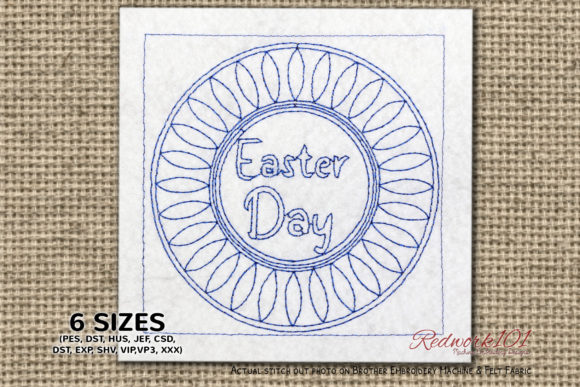
The moment you place this design on your screen, the symmetry speaks volumes. A mandala inherently brings a sense of calm and order, which translates beautifully into the Easter season where families often seek peace and renewal. Unlike busy, cluttered designs that scream for attention, Easter Day Mandala Bluework feels like a quiet invitation. It creates a mood of elegance rather than festivity, making it suitable for customers who want something sophisticated for their holiday gifts or personal apparel.
The layout is circular, which immediately dictates where this design belongs. It is not a design you slap onto the side pocket of a sweatshirt; it demands center stage. Whether you are looking at a tote bag design or a pillow cover, the mandala shape naturally draws the eye inward. For an Etsy seller or small shop owner, this visual personality is gold. It signals quality and intentionality, two things buyers look for when purchasing handmade products. However, the "Bluework" aspect implies a reliance on a single color or limited palette, likely utilizing running stitches or simple fill stitches. This means the success of the project rests entirely on the contrast between the thread and the fabric texture.
Real-World Application: From Digital File to Finished Product
Let me walk you through how I see this design performing in a real-life scenario. Imagine you are preparing a custom embroidered tote bag for a local craft fair. You need something that looks professional but isn't overly complex to stitch. You pull up Easter Day Mandala Bluework and imagine it centered on a natural canvas bag using a soft pastel blue thread.
In this context, the design performs exceptionally well. The open spaces within the mandala allow the fabric texture to show through, creating a tactile experience that machine-washed polyester might ruin. If you were to use this on a baby item, like a onesie or a blanket, the gentle curves would be perfect. Parents love designs that aren't too loud, and a subtle mandala fits the nursery aesthetic perfectly. The lack of dense, heavy stitching reduces the risk of puckering on thin fabrics, provided you use the correct stabilizer.
However, consider the limitations. If you attempt to use this as an embroidered patch for a cap, the circular shape might look odd unless the brim is curved specifically to accommodate it. Caps require designs that follow the curve of the hat; a flat mandala can sometimes look distorted if the hoop size is too small or the curvature is too aggressive. Similarly, for kitchen towels, the design works wonderfully because the hemstitching or woven texture of the towel complements the open nature of the bluework style. It elevates a simple tea towel into a decorative piece that customers will actually display.
Where to Exercise Caution
As an experienced designer, I must point out where this design could fail if not handled correctly. The primary concern is the stitch density and the potential for detail loss. If you try to stitch this on a dark fabric without a proper underlay or a contrasting thread, the design will disappear. Bluework relies on negative space and line work; if the thread blends too closely with the background, the intricate details of the mandala will vanish.
Small hoop sizes present another challenge. While the design might look great on a mockup, shrinking it down to fit a 4x4 inch hoop can result in lost definition. Tiny gaps in the pattern might close up during stitching, turning a delicate open weave into a solid blob. If you are planning to sell these as personalized gifts, ensure your machine can handle the fine lines. Furthermore, stretchy fabrics like jersey or spandex blends are risky. Without a strong cut-away stabilizer, the tension of the embroidery can cause the fabric to pucker, ruining the symmetry of the mandala.
There is also the issue of the outer box mentioned in the description. The note states that the box stitch is optional and the color may vary. In a commercial setting, this inconsistency can be a branding nightmare. If you are producing a batch of fifty aprons, having some with a colored border and others without can look unprofessional. You must decide early on whether the box is part of the artistic vision or just a framing device to be ignored. If you skip the color, ensure the final look still has enough visual weight to stand alone.
Impact on Brand Value and Customer Trust
For creative entrepreneurs and digital product sellers, the quality of the design directly impacts customer trust. A clean, well-executed Easter Day Mandala Bluework tells the buyer that you care about the details. It suggests that your handmade product is durable and thoughtfully designed. Conversely, a poorly stitched version with skipped stitches or loose threads can make even the best concept look cheap.
This design has high potential for increasing the perceived value of a finished product. Because it feels more artistic and less like a mass-produced clipart, customers are often willing to pay a premium for items featuring it. It fits perfectly into the "boutique branding" niche where uniqueness is key. When used in printable mockups for listings, the mandala shape allows for versatile placement options, showing versatility to potential buyers. It transforms a standard holiday item into a piece of art, which is exactly what modern consumers are seeking.
Practical Designer Notes for Success
If you are ready to incorporate Easter Day Mandala Bluework into your workflow, here are some non-negotiable steps to ensure a successful outcome. First, always test the design on scrap fabric before committing to your final project. Check the thread color contrast against your chosen material; what looks good on a white monitor might look muddy on beige linen.
Review the stitch density carefully. If the design is too dense, it may require multiple hooping sessions or a larger hoop size, which increases production time. Confirm the hoop size requirements by checking the file properties. If the design exceeds your machine's capabilities, you will need to split the file or adjust the scale. Inspect the small details in the mandala loops; they should remain distinct after stitching.
Use a proper stabilizer. For lightweight fabrics, a tear-away or cut-away backing is essential to prevent distortion. If you are working with textured fabrics, such as terry cloth or denim, you may need a heavier stabilizer to support the weight of the embroidery. Test the design in black and white mockups to ensure the composition holds up without relying on color cues.
Finally, verify the licensing terms. Many designers assume that buying a file allows for unlimited commercial use, but this varies. Before selling finished items or offering digital embroidery files, confirm that you have the right to do so. If the design includes the optional box stitch, decide if you will include it in every project or leave it out based on the specific needs of the garment. Consistency is key to building a reputable brand.
In conclusion, Easter Day Mandala Bluework is a versatile and elegant addition to any embroidery library. It offers a refined alternative to typical holiday motifs, perfect for those looking to elevate their craft business or personal projects. With careful attention to fabric choice, stabilizer usage, and color contrast, this design can produce stunning results that delight customers and enhance your portfolio.