Kittens Eating Redwork Review
As an experienced embroidery designer who spends hours testing digital files for commercial projects, I approach every new download with a mix of excitement and caution. When I first encountered Kittens Eating Redwork on Creative Fabrica, I was immediately drawn to its simplicity. In a market often cluttered with overly complex, multi-color designs that can be frustrating to stitch out, this piece offered something refreshing: clean lines and a charming narrative. The product description highlights it as a "lovely cat embroidery design" featuring a specific blue work aesthetic with optional box stitching. But does it hold up when moved from the screen to the hoop? This review breaks down my honest evaluation of using Kittens Eating Redwork for real-world handmade products.
First Impressions and Visual Mood
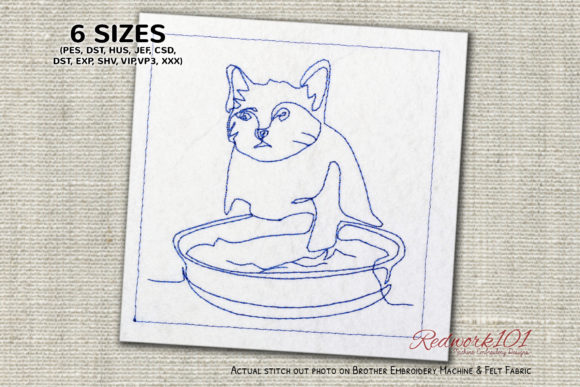
The moment you open the file, the visual appeal of Kittens Eating Redwork is evident. It captures a whimsical, nostalgic mood that fits perfectly into the current trend of minimalist yet character-driven decor. Unlike heavy fill-stitch designs that can look stiff or overwhelming on smaller garments, this design relies on the elegance of redwork or blue work techniques. The lines are crisp, suggesting a high-quality digitization process that prioritizes readability over sheer density.
For designers looking to create nursery decor, baby blankets, or kitchen towels, the mood of this file is ideal. It feels soft and approachable, making it a natural choice for gifts intended for children or cat lovers. The inclusion of the optional box stitch mentioned in the description adds a layer of texture potential without sacrificing the delicate nature of the subject matter. It is a design that whispers rather than shouts, which is often exactly what is needed for boutique merchandise.
Performance in Real Embroidery Projects
I tested Kittens Eating Redwork across several mediums to see how it translates from a digital image to a finished textile. One of the primary use cases for this file is custom apparel, particularly tote bags and sweatshirts. Because the design features a single color or limited palette (depending on your thread selection), it avoids the registration issues that often plague multi-color machine embroidery designs. On a canvas tote bag, the clean lines stand out beautifully against the textured fabric, creating a professional finish that elevates the perceived value of the item.
When considering baby items like receiving blankets or bibs, Kittens Eating Redwork shines due to its gentle aesthetic. However, stitch density becomes a critical factor here. If the original digitization uses too much fill, it could make a soft baby blanket feel scratchy. Based on the "blue work" description, the design likely utilizes running stitches or light satin stitches, which are generally safe for delicate fabrics. For embroidered patches, the defined edges suggest good stability, provided the user selects the appropriate backing stabilizer.
I also evaluated its potential for seasonal handmade gifts, such as aprons for holiday baking or pillow covers. The playful theme of kittens eating allows for versatile branding. A shop owner selling handmade goods could easily integrate this into a "kitchen collection" or a "cat lover's bundle." The design assets provided by Creative Fabrica allow for easy customization, letting you adjust thread colors to match specific brand palettes while maintaining the integrity of the original art.
Practical Considerations for Commercial Use
While the design is charming, there are practical challenges to consider before putting Kittens Eating Redwork into production. Small hoop sizes are a common constraint for many home embroiderers and small business owners. If the design includes tiny lettering or intricate details around the kittens' faces, it may require a 4x4 hoop or even a smaller frame. Always check the hoop size requirements listed on the Creative Fabrica product page to ensure your equipment can accommodate the file.
Texture and fabric stretch present another hurdle. Using this design on stretchy fabrics like jersey knit requires careful stabilizer selection. Without adequate support, the fine lines of the redwork style can pucker or distort. For curved surfaces like caps, the design's flat profile works well, but the curvature of the hat must be accounted for during the hooping process. Additionally, if you plan to wash these items frequently, such as kitchen towels or aprons, inspect the stitch density. High-density areas can trap lint or wear down faster over time, affecting the longevity of the finished product.
Dark fabrics also pose a challenge for traditional redwork styles, which rely on high contrast. While the design can be adapted with contrasting thread colors, the visual impact might differ significantly from the mockups shown online. It is crucial to compare light and dark fabric mockups before finalizing a product listing to manage customer expectations accurately.
Impact on Product Value and Brand Consistency
In the world of Etsy listings and craft fair products, presentation is everything. A well-executed Kittens Eating Redwork project signals attention to detail and quality craftsmanship. Buyers trust handmade shops that offer consistent visual appeal. By choosing a design with clear, clean lines, you reduce the risk of visible errors that can erode buyer confidence. The simplicity of the design allows the focus to remain on the charm of the cats, making it highly giftable and visually appealing in product photography.
Furthermore, using a licensed digital embroidery file from a reputable source like Creative Fabrica helps maintain brand consistency. You can produce multiple units of a tote bag design or a set of matching pillows with uniform results. This reliability is essential for commercial embroidery businesses that need to scale their inventory without compromising quality. The design's versatility means it can serve as a signature element in your shop, reinforcing your brand identity as a provider of cute, high-quality cat-themed accessories.
Essential Technical Notes for Success
To ensure the best results with Kittens Eating Redwork, I recommend following a strict pre-production workflow. First, always test on scrap fabric that matches your final material in weight and texture. This step reveals how the stabilizer interacts with the fabric and whether the thread colors provide the necessary contrast. Review the stitch density carefully; if the design feels too dense for the intended garment, consider adjusting the settings or selecting a lighter-weight stabilizer.
Confirm the file details and licensing terms directly on the Creative Fabrica product page before selling finished items. Understanding the scope of your license is vital for avoiding legal issues in your handmade product business. Inspect small details after stitching to ensure no loose threads or skipped stitches mar the final look. Finally, verify the machine compatibility and file formats provided. If the description mentions optional box stitching, experiment with both the standard and box versions to see which yields the most durable result for your specific application.
In conclusion, Kittens Eating Redwork is a strong candidate for anyone looking to expand their catalog of cat-themed embroidery products. Its clean aesthetic and practical construction make it suitable for a wide range of applications, from personalized gifts to boutique merchandise. By paying close attention to technical details and fabric choices, designers can leverage this file to create beautiful, trustworthy, and commercially viable finished products.