Scuba Diving Redwork Embroidery Review
First Impressions of Scuba Diving Redwork
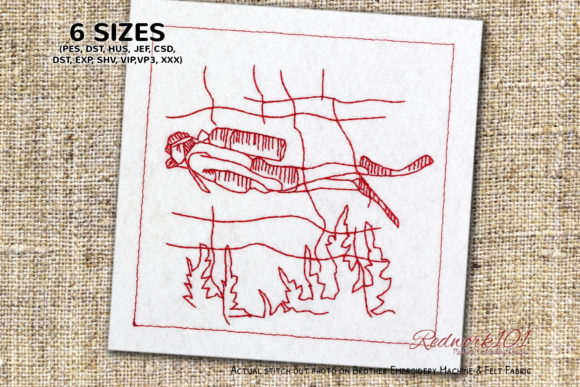
At first glance, Scuba Diving Redwork by Redwork101 exudes a bold yet adventurous spirit. The title alone captures the essence of underwater exploration, making it instantly appealing to fans of scuba diving enthusiasts. This design feels modern and eye-catching, with a clean aesthetic that can easily be adapted for various craft fair products.
The imagery associated with scuba diving—such as diving masks, fins, and ocean waves—is rendered in a way that is both playful and elegant. It strikes a balance between being decorative and functional, which makes it a versatile choice for a range of handmade items.
Scuba Diving Redwork on Craft Fair Products
Scuba Diving Redwork performs exceptionally well on a variety of products that are commonly featured at craft fairs and handmade markets. Here’s how it stands out across different items:
- Tote Bags: The design adds a unique touch without overwhelming the fabric. Its placement on the front or side of a tote bag draws attention and gives the product a premium feel.
- Apron Embroidery: As an apron embroidery, it works well as a focal point, especially if placed near the waistband or on the pocket area. The boldness of the design complements the practicality of the item.
- Tea Towel Embroidery: On kitchen towels, the design maintains its clarity and charm, making it perfect for those who enjoy adding a personal flair to their home décor.
- Embroidered Patches: When used as a patch, Scuba Diving Redwork becomes a collectible piece, ideal for fans of adventure and water sports.
- Caps and Pouches: The design adapts well to smaller surfaces like caps and pouches, provided the stitch density and thread colors are carefully chosen to maintain detail.
- Pillow Covers: On pillow covers, the design adds a pop of personality, making them great for selling at craft fairs and online shops alike.
Practical Selling and Production Points
One of the key strengths of Scuba Diving Redwork is its ability to be understood at a glance. The imagery is clear and recognizable, which is essential for attracting customer attention quickly in a busy market setting.
This design works well as both a small accent and a large focal point, depending on the product size and placement. For instance, it can be used as a subtle motif on a small pouch or as a prominent feature on a market bag.
When photographing the design for online listings, such as Etsy sellers or small shop products, the vibrant nature of the redwork embroidery ensures that it photographs well. The contrast between the embroidery and the fabric helps highlight the details, making it easier for potential buyers to appreciate the quality.
For batch production, this design is repeatable and consistent, which is crucial for commercial embroidery and handmade product lines. However, it's important to test the design on scrap fabric before mass producing to ensure that the stitch density and thread colors work well with the intended fabric type.
Careful-Use Notes for Scuba Diving Redwork
While Scuba Diving Redwork is visually appealing, there are some considerations to keep in mind when using it on different materials:
- Dense Stitch Areas: If the design has dense stitching, it may require additional stabilizer to prevent puckering on thinner fabrics.
- Tiny Details: Any intricate elements should be reviewed closely to ensure they remain visible even when scaled down for smaller products.
- Thick Fabric or Textured Towels: These can affect how the embroidery lays flat. Testing on a sample fabric is recommended before finalizing production.
- Dark Fabric: Ensure that the thread colors have enough contrast against dark backgrounds to maintain visibility and visual appeal.
- Curved Cap Surfaces: The design may need slight adjustments to conform to the shape of curved surfaces without distorting the image.
Visual Appeal and Marketability
Scuba Diving Redwork enhances the visual appeal of any product it adorns. It brings a sense of adventure and uniqueness to items like tote bags, aprons, and tea towels, making them stand out in a crowded marketplace. This design also elevates the perceived value of the finished product, encouraging customers to see it as a high-quality, handcrafted item rather than a generic accessory.
For booth displays, this design can be a strong visual anchor, drawing attention from passersby and creating engagement with potential buyers. Its versatility allows it to be used across multiple product types, giving sellers more options to showcase their inventory.
Embroidery Designer Tips for Using Scuba Diving Redwork
As an experienced embroidery designer, here are some practical steps to take before incorporating Scuba Diving Redwork into your product line:
- Test the Design: Always test the design on scrap fabric to check for issues like stitch density and thread visibility.
- Check Thread Contrast: Ensure that the thread colors provide enough contrast with the fabric you plan to use.
- Review Spacing: Confirm that the spacing of the design elements is appropriate for the scale of the product.
- Confirm Hoop Size: Make sure the hoop size required for the design is compatible with your equipment and production needs.
- Inspect Stitch Density: If the design has dense areas, consider using a stabilizer to prevent distortion.
- Create a Mockup: Use a real mockup to evaluate how the design looks on the actual product before committing to production.
- Compare Fabric Colors: Different fabric colors can significantly impact how the design appears, so compare options carefully.
- Confirm Commercial Licensing: Before selling finished products, make sure that the design has proper commercial licensing.
By following these tips, you can confidently incorporate Scuba Diving Redwork into your lineup of craft fair products, ensuring both quality and marketability. Whether you're an Etsy seller, boutique maker, or creative entrepreneur, this design offers a compelling blend of adventure and artistry that can elevate your handmade offerings.