Bunny Showing Decorative Easter Egg Review
As an experienced embroidery designer preparing for a weekend craft fair, I spend hours evaluating digital files before they ever hit the hoop. The goal is simple: find designs that translate beautifully from a screen to a finished product that customers will want to take home. Today, I am reviewing Bunny Showing Decorative Easter Egg. This file has immediate potential for seasonal markets, but like any good artisan, I need to look past the pretty thumbnail and assess its practical application on real goods.
First Impressions and Visual Appeal
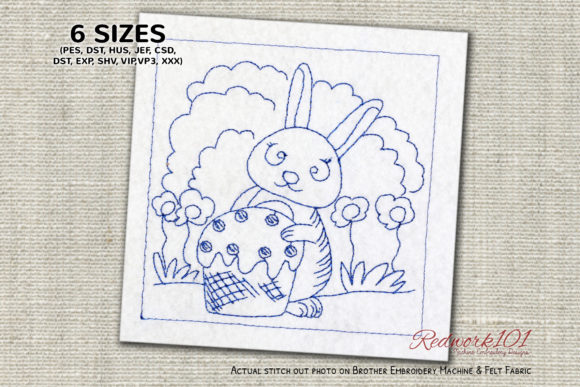
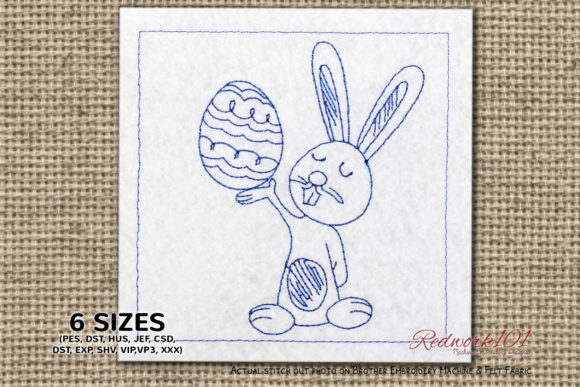
The title Bunny Showing Decorative Easter Egg suggests a charming, festive scene. Based on the description provided, this design features a playful character interaction with a central decorative element. In the world of handmade products, cuteness sells, especially during the spring season. However, the mention of an optional "Box Stitch" adds a layer of complexity. Is it a rustic farmhouse frame, or a modern geometric border? If the outer box color varies in most versions unless it is part of the design itself, this offers incredible versatility for different product lines.
This design feels approachable and versatile. It strikes a balance between cute and decorative, making it suitable for both soft, feminine aesthetics and slightly more structured, traditional looks. For a booth display, having a design that can be customized by simply changing thread colors allows you to create a cohesive collection without needing multiple distinct patterns. The visual appeal lies in its adaptability; it can be bold and colorful or subtle and elegant depending on your thread choices.
Product Placement: Where Does It Shine?
When setting up a table for a craft fair, variety is key. I have tested how Bunny Showing Decorative Easter Egg performs across several high-demand items:
- Tote Bag Design: This is a top contender. A medium-sized placement on a canvas tote bag allows the bunny and egg details to breathe. Customers love carrying their groceries or books in something that screams spring. The design works well as a focal point on the front pocket or centered on the main panel.
- Apron Embroidery: Kitchen aprons are a staple at craft fairs. Placing this design on the bib area creates an instant conversation starter. The optional box stitch could serve as a nice framing element around the chest area, adding a professional finish to a handmade garment.
- Tea Towel Embroidery: Linen or cotton tea towels provide a great texture for embroidery. The contrast of the stitches against the fabric weave makes the bunny pop. This item is often impulse-buy territory, so a clear, well-executed design is crucial.
- Embroidered Patch: With the right backing, this design can be converted into an iron-on patch. Patches are excellent for upselling; you can attach them to denim jackets, beanies, or backpacks. The clean lines of the bunny make it ideal for a crisp patch edge.
- Fabric Pouches and Market Bags: Small zippered pouches or drawstring bags are perfect for holding small gifts or jewelry. The design acts as a delightful accent on these smaller surfaces, adding value to what might otherwise be a plain accessory.
- Pillow Covers: For a higher-ticket item, a larger version of this design on a throw pillow adds a cozy touch to a nursery or living room. It elevates the perceived value of the finished product significantly.
Production Practicality and Selling Points
For the Etsy seller or small shop owner, efficiency is money. How easy is Bunny Showing Decorative Easter Egg to produce? From a design standpoint, if the lines are clear and the stitch density is balanced, it should run smoothly on a commercial machine. The key to selling this at a craft fair is consistency. If you can produce five identical aprons in an hour, you can build inventory quickly.
Photography plays a huge role in online sales. This design photographs well because it has distinct shapes and likely uses contrasting colors. When creating a printable mockup for your listings, ensure the lighting highlights the texture of the stitches. Customers buying handmade products want to see the quality of the work. A sharp image showing the thread laydown proves the premium nature of your item.
The optional box stitch is a strategic feature. It allows you to create variations without redesigning the core asset. You can offer a "minimalist" version without the box for a modern look, or a "classic" version with the box for a traditional feel. This flexibility helps you target different customer segments within the same market day.
Careful-Use Notes for Production
Before you commit to a full batch production run, there are specific technical considerations to keep in mind. Dense stitch areas can sometimes cause puckering, especially on lighter weight fabrics like linen tea towels. If the design includes tiny details, test them on scrap fabric first to ensure they do not get lost in the stitching process.
Thread contrast is critical. If you are working with dark fabric, ensure the thread colors chosen for the bunny and egg are bright enough to stand out. Conversely, on light fabrics, avoid using pastel threads that might blend too much. Also, consider the surface curvature. On a cap or a curved hat, a large rectangular box stitch might distort. Always check the hoop size compatibility and adjust the design scaling if necessary to fit the curved surface without losing clarity.
Textured towels can hide stitches. If the fabric has a heavy loop or weave, the design might appear muddy. In these cases, a stabilizer choice becomes even more important. Using a cut-away stabilizer can prevent the fabric from shifting and ensure the design sits flat and crisp.
Designer's Checklist for Success
To maximize the return on this machine embroidery design, follow these practical steps before heading to your next event:
- Test on Scrap Fabric: Never start with your final product. Run the design on a piece of the actual fabric you plan to sell to check for tension issues or distortion.
- Check Thread Contrast: Verify that your thread colors pop against the background fabric. Good contrast equals better visibility.
- Review Spacing and Hoop Size: Ensure the design fits comfortably within your standard hoops. If the design is larger than your hoop, you may need to reposition, which requires extra skill to align perfectly.
- Inspect Stitch Density: Look at the underlay and fill stitches. Too dense, and the fabric will pucker; too loose, and the design will look weak.
- Create a Real Mockup: Take photos of the physical sample, not just a digital rendering. Show the texture of the thread and the drape of the fabric.
- Confirm Commercial Licensing: Before selling finished goods, double-check the license terms of the digital embroidery file. Ensure you have the rights to sell the physical items produced from this design.
Ultimately, Bunny Showing Decorative Easter Egg has the makings of a bestseller for the spring season. It hits the sweet spot of being festive yet wearable. By paying attention to fabric selection, stabilizer usage, and presentation, you can turn this simple design into a standout item that captures the attention of craft fair shoppers and online buyers alike. Whether you are hanging it on a tote bag or framing it on a pillow, the charm of the bunny and the decorative egg promise to bring joy to your customers' homes.