Fluffy Bunny Embroidery Design Review
A Soft and Whimsical First Impression
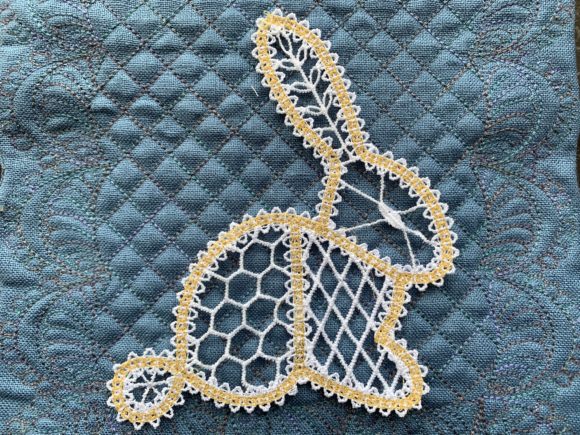
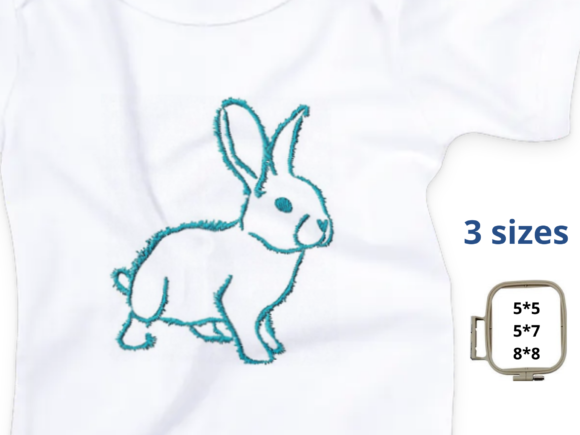
When I first saw the Fluffy Bunny machine embroidery design, it immediately struck me as a perfect blend of charm and simplicity. The soft curves and gentle lines of the bunny’s body and ears create a sense of warmth and innocence, making it feel like a natural fit for springtime or Easter-themed projects. It's not overly detailed, which is a good thing—it gives the design a clean, approachable look that doesn’t overwhelm the fabric.
The overall mood is playful yet refined, which makes it ideal for kids’ clothing, baby items, or even small decorative patches. The shape of the bunny feels balanced and proportionate, with enough definition to be recognizable without being too busy. This kind of design can easily become a signature piece in a line of handmade products or custom apparel.
Real-Life Use: Customizing a Tote Bag
I recently used a similar design on a custom tote bag for a client, and I found myself thinking about how Fluffy Bunny would translate onto such a project. A tote bag is a great canvas for this design—its large surface area allows the bunny to be sized up nicely without losing clarity. When stitched on a light-colored cotton fabric with a white thread, the result was adorable and eye-catching. It added a touch of personality that made the product feel more personal and thoughtful.
If I were to use Fluffy Bunny on a tote bag, I’d recommend using a medium hoop size to ensure the entire design is captured well. Using a stabilizer underneath would also help prevent any shifting during the embroidery process. For a more professional finish, I’d suggest testing the design on scrap fabric first to see how the stitches lay and whether the thread color contrasts well with the fabric texture.
For smaller items like caps or patches, the same design could work beautifully, but I’d need to adjust the hoop size and stitch density accordingly. On a cap, for example, the bunny might be scaled down slightly to fit the curved surface while maintaining its visual appeal. It’s important to make sure the design doesn’t get distorted when stretched over a curved area.
Where to Use With Caution
While Fluffy Bunny is versatile, there are some situations where it may not perform as well. If you're working with very thin or stretchy fabrics, the design might not hold up as well under frequent washing or wear. In these cases, using a heavier stabilizer or reinforcing the back of the fabric could help maintain the integrity of the embroidery.
Similarly, if you plan to place the design on dark-colored fabric, you’ll need to choose a thread color that provides enough contrast to keep the bunny visible. Testing it on both light and dark backgrounds before finalizing your project is always a good idea.
On textured fabrics like denim or canvas, the design may appear less crisp due to the fabric’s surface. In these cases, adjusting the stitch density or using a different type of stitch (like satin stitch) might improve the overall look.
Visual Appeal and Brand Value
Fluffy Bunny has a strong visual appeal that can elevate the look of almost any embroidered item. Its simple yet expressive design adds a touch of whimsy that can attract buyers looking for something unique. Whether it’s a personalized gift or part of a boutique collection, this design can help build brand consistency and customer trust.
For Etsy sellers or craft business owners, including Fluffy Bunny in their product lineup can add variety and seasonal relevance, especially around Easter or springtime. It’s also a great option for creating digital embroidery files that can be sold as design assets or used in printable mockups for marketing purposes.
One thing to consider is the stitching clarity—since it’s a one-color design, it should be easy to stitch and won’t require complex stitch patterns. However, I’d advise checking the stitch density and ensuring that the design works well on the intended fabric type before committing to a full production run.
Practical Embroidery Designer Notes
Before using Fluffy Bunny in any real project, I recommend doing a few key checks. First, test the design on scrap fabric to see how it looks in different colors and on various textures. Next, review the stitch density to make sure it’s appropriate for the fabric you’re using. Confirming the correct hoop size is also essential to avoid distortion or incomplete stitches.
It’s also a good idea to inspect small details, like the bunny’s eyes or ears, to ensure they don’t get lost when scaled down. Testing the design in black and white mockups can help visualize how it will look on different fabric backgrounds. And finally, always check the licensing terms before selling any finished products or digital versions of the design.
Whether you're an Etsy seller, a small shop owner, or just a hobbyist looking to expand your creative portfolio, Fluffy Bunny is a versatile and charming addition to your embroidery arsenal. Just remember to take the time to test and adjust it for the best results.