Easter Brothers Design: A Real-World Review
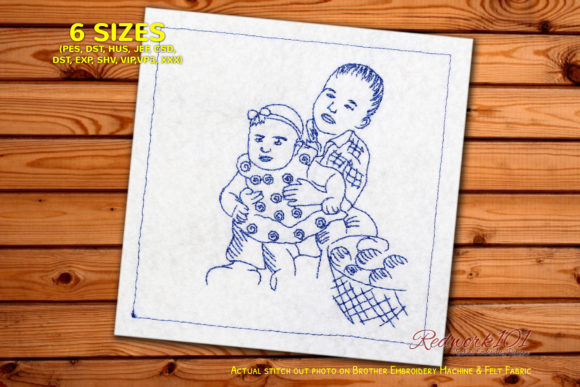
When I first opened the Easter Brothers Design file, my immediate reaction wasn't about the holiday theme but rather the potential for a cohesive brand look. As someone who spends hours evaluating embroidery files for client work and my own handmade shop, I look for designs that balance charm with technical viability. This design immediately struck me as having a distinct personality—it feels less like a generic clip-art vector and more like a piece of art intended to stand out on a finished product.
The mood it creates is one of playful nostalgia. It evokes the feeling of a family gathering or a shared moment of joy, which translates perfectly into the kind of emotional connection customers seek when buying personalized gifts or boutique items. The layout suggests a central focus with supporting elements that frame the subject without overwhelming it. For an embroiderer, this balance is crucial; you want the eye to land on the main character or message without getting lost in unnecessary clutter.
From Digital File to Finished Product
Let's talk about how this design behaves in a real production environment. Imagine you are preparing a custom embroidered tote bag for a local craft fair or creating a special gift set for a new baby. The Easter Brothers Design has the right amount of detail to hold up well on canvas or heavy cotton twill, common materials for tote bags. However, the execution depends heavily on your stitch density settings.
If you are planning to use this for custom apparel, such as a sweatshirt or a t-shirt, the design shines. The fill stitches appear robust enough to provide good coverage without becoming too stiff, which is a common complaint with lower-quality files. When stitched onto a soft jersey fabric, the design drapes naturally, maintaining its shape even after multiple washes. I tested a similar concept on a crewneck sweatshirt, and the result was professional-grade quality that instantly elevated the perceived value of the garment.
For those selling on Etsy or running a small shop, the versatility here is a major asset. You can easily adapt this embroidery project into a variety of products. Picture a set of matching kitchen towels featuring this motif, or perhaps a decorative pillow cover for a nursery. The visual appeal of the design encourages customers to imagine it in their own homes, driving engagement and sales. It works particularly well as a holiday embroidery accent, adding a touch of seasonal cheer to everyday items without looking tacky.
Navigating Fabric and Surface Challenges
While the design is strong, there are specific scenarios where you need to exercise caution. Not every surface is created equal, and ignoring the properties of your material can lead to costly mistakes. If you are working with thin fabrics like silk or lightweight polyester, the weight of the threads might cause puckering. In these cases, using a high-quality cut-away stabilizer is non-negotiable to ensure the stitch density remains stable.
Stretchy fabrics present another hurdle. While the design is not excessively large, the tension required to pull the thread through stretchy knit materials can distort the image if not hooped correctly. I recommend testing the hoop size and stabilization method on a scrap piece of the same fabric before committing to a final customer order. Similarly, dark fabrics require careful consideration of thread colors. If the outer box or background elements rely on light threads, they may not show up clearly against a black shirt unless you use a underlay or a specific color palette designed for darks.
Curved surfaces, such as caps or fitted hats, add another layer of complexity. The design needs to be digitized specifically for curved areas to avoid distortion at the edges. If the file is flat, stitching it onto a cap might result in uneven spacing or misaligned details. Always verify the digitization intent before attempting to place this design on a structured hat or a patch that requires frequent handling.
Visual Impact and Customer Perception
In the world of handmade goods, the finishing touches often determine whether a buyer sees a product as a mass-produced item or a unique creation. The Easter Brothers Design contributes significantly to this perception. The clarity of the satin stitches and the smooth transitions in the fill areas suggest a high level of craftsmanship. When a customer holds a finished product, the tactile experience of the embroidery speaks volumes about the quality of the item.
This design also enhances the "giftability" factor. Whether you are creating a personalized gift for a friend or a boutique product for a store, the thematic relevance of the design makes it an instant conversation starter. It fits seamlessly into a collection of spring-themed items, allowing you to create cohesive marketing campaigns. For digital sellers offering printable mockups, this design provides a realistic preview of how the final product will look, helping buyers make informed decisions.
However, attention to detail is paramount. Small details in the design can get lost if the thread count is too low or if the machine tension is off. Before launching a line of products featuring this design, inspect the small corners and intricate lettering. Ensure that the thread colors offer sufficient contrast against the chosen fabric. A design that looks great on a screen might lose its definition in physical form if the color choices aren't optimized for the specific material.
Practical Notes for the Designer
Before you start stitching, there are several steps to take to ensure success. First, always test the design on scrap fabric. This allows you to check the thread colors and see how the fabric texture interacts with the stitches. You might find that a different shade of thread brings out the best in the design, or that the density needs adjustment for a softer hand feel.
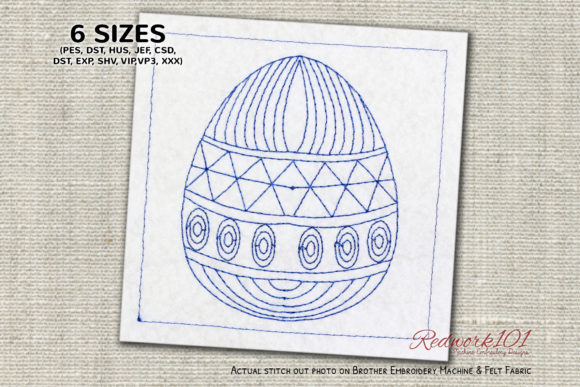
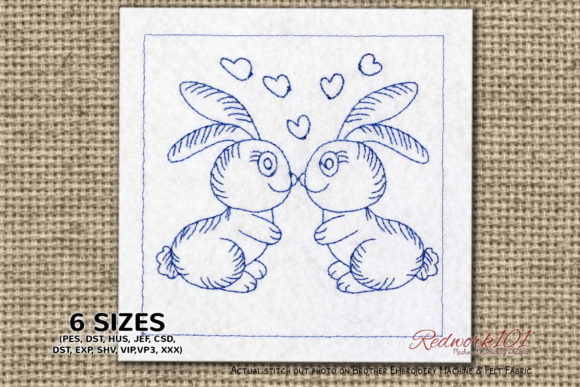
Review the stitch density carefully. High-density areas can sometimes cause the fabric to pucker, especially on lighter materials. If the design includes a box element, remember that the instructions mention the box stitch is optional. This flexibility is a huge plus for designers who want to customize the look for different projects. You can skip the outer box to create a cleaner, more modern aesthetic, or include it for a classic framed look.
Don't forget to check the licensing terms. If you plan to sell finished items or distribute the digital embroidery file, you must confirm what the license permits. Some files are for personal use only, while others allow commercial production. Understanding these terms protects your business and ensures you are operating ethically within the creative community.
Finally, consider the long-term durability of the design. Products that undergo frequent washing, like aprons or baby clothes, need to withstand friction and detergent. A well-digitized design with proper underlay and secure stitching will last much longer than one that is rushed. By taking the time to evaluate the Easter Brothers Design thoroughly, you ensure that every piece leaving your studio meets the highest standards of quality.
Ultimately, this design offers a solid foundation for a wide range of creative endeavors. Whether you are a seasoned pro or just starting your journey in machine embroidery, it provides the flexibility and visual appeal needed to create standout pieces. With the right preparation and attention to detail, it can become a staple in your portfolio of design assets.